|
|
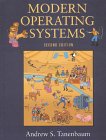
Modern operating systems
by Andrew S. Tanenbaum
Published by Prentice Hall
(2001)
Description
For introductory courses in Operating Systems in Computer Science, Computer Engineering, and Electrical Engineering programs. This widely anticipated revision of a worldwide best seller incorporates the latest developments in operating systems technologies and contains complete chapters on computer security, multimedia operating systems, Windows 2000, and operating system design.
New chapters- On computer security; multimedia operating systems; Windows 2000; and operating system design. -Brings students up to date with in-depth coverage of today's most important and timely topics. NEW- Now includes coverage- Fair share scheduling, graphical user interfaces, X Windows, new I/O devices (RAID, CD-R, DVD etc.), CD-ROM file systems, network terminals, power management, viruses and anti-virus techniques, disk formatting, soft timers, trusted systems, and middleware. NEW- Greatly expanded coverage- Process management, threads, and computer security. NEW- Research sections- Includes numerous references to current literature about most chapter topics. - Introduces students to the latest research on processes, memory management, and other topics. NEW- Exclusive focus on traditional single-processor computer systems. -Allows instructors to focus their course on single-processor systems and teach distributed systems using Tanenbaum's forthcoming Distributed Systems- Principles and Paradigms in a follow-up course, reflecting the curricula at many schools. "Big picture" concepts and many technical details presented in a clear and entertaining style as only Andy Tanenbaum can do. -Helps students easily learn the foundations of operating systems and how things really work. Website with simulators supporting a variety of hands-on student projects. -Students learn by doing. Many new problems and up-to-date references - Reflect real-world experience. -Provides students with practical, hands-on information in constructing and understanding modern operating systems.
|