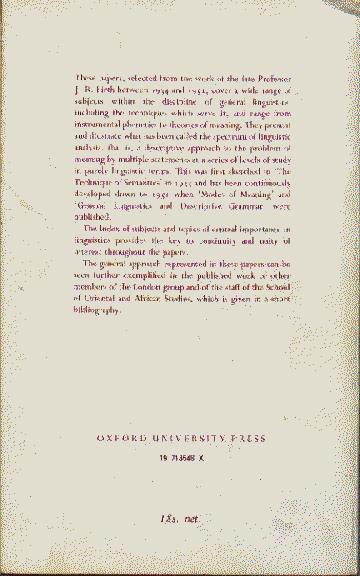
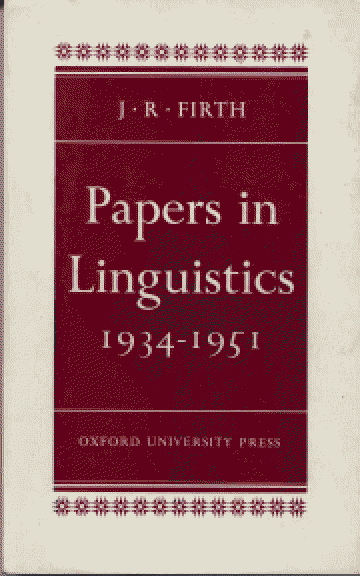
Look at the extracts from the following text and identify them. Which of the following are included?
|
abstract |
|
|
acknowledgments |
|
|
appendices |
|
|
author |
|
|
blurb |
|
|
date of publication |
|
|
details about author |
|
|
edition |
|
|
foreword |
|
|
index |
|
|
ISBN |
|
|
list of contents |
|
|
list of references |
|
|
place of publication |
|
|
preface |
|
|
publisher |
|
|
reviewers' comments |
|
|
sub-title |
|
|
title |
1.
2.
|
PAPERS IN LINGUISTICS 1934-1951 BY J. R. FIRTH Sometime Professor of General Linguistics University of London
|
3.
Oxford University Press, Ely House, London W. 1 GLASGOW NEW YORK TORONTO MELBOURNE
WELLINGTON
|
4.
|
PREFACE The first Chair of General Linguistics in this
country was established in the University of London in 1944 at the School of
Oriental and African Studies, with which I had been connected since 1931 and
which I had served since 1938. On my appointment to the Chair, coupled with the
Headship of the Department of Phonetics and Linguistics, there followed a
period of development both of staff and teaching, during which the subject of
General Linguistics was firmly established in London. J. R. FIRTH |
5.
|
ACKNOWLEDGEMENTS For permission to reproduce the sixteen papers,
grateful acknowledgements are due to three learned Societies and to the Editors
of the Proceedings of two International Congresses, as
follows: J. R. FIRTH |
6.
|
CONTENTS
|
7.
|
BIBLIOGRAPHY OF OTHER WORKS BASED ON SIMILAR PRINCIPLES AND METHODS CARNOCHAN, J. A Study in the Phonology of an Igbo Speaker, B.S.O.A.S. xii. 2, 1948.
HENDERSON, Miss E. J. A. Notes on the Syllable Structure of Lushai, B.S.O.A.S. xii. 3 and 4, 1948.
MITCHELL, T. F. The Active Participle in an Arabic Dialect of Cyrenaica, ibid.
PALMER, F. R. The ‘Broken Plurals’ of Tigrinya, B.S.O.A.S. xvii. 3, 1955.
ROBINS, R. H. Ancient and Mediaeval Grammatical Theory in Europe. Bell & Sons, Ltd., London, 1951.
SCOTT, N. C. The Monosyllable in Szechuanese, ibid. xii. i, 1947.
SHARP, A. E. A Tonal Analysis of the Disyllabic Noun in the Machame Dialect of Chaga, ibid. xvi. i, 1954. SPRIGG, R. K. Verbal Phrases in Lhasa Tibetan. I, ibid; II, ibid. 2, 1954; III, ibid. 3, 1954.
WATERSON, Mrs. N. Notes on the Phonetics of the Georgian Word (with Mr. R. H. ROBINs), B.S.O.A.S. xiv. i, 1952.
|
8.
|
INDEX Aelfric, 100-1. Alliteration, 194, 198, 203. Alphabetum anglicum, 106-7. Alternances, 5-2, 3-5, 36-37, 38, 47-52, 71-74, 80-91, 222-3. American Indian languages, 162, 163-4, 167, 172. American language, the, 157 et seq. American Oriental Society, the, 161-2, 164, 166. American Philosophical Society, the, 160, 161, 163, 164, Arabic alphabet, 111 112. Aspiration, 59, 63, 64. Bedeutungslehre, 8. Beligatti, C., 59-60. Bell, Alexander Graham, 95, 96, 110, 119, 166. Bell, Alexander Melville, 94, 95, 96, 102, 110, 111, 113, 116-19, 166. Bloomfield, L., 15-16, 167-8, 579. Bréal, 8, 11-12, 13, 15, 16, 17. Bright, Timothy, 102-3, 104-6. Bullokar, W. (1586), 98-99, 107. Butler, Charles (1633), 108. Cardinalization, 146, 148-55. Carpani, M., 62-66. Categories, 145, 223, 225, 226, z228. Chambers, R. W., 97. Character:
Chiming, 194. Citation, 212, 224. Coles, Elisha (1674), 101-2. Collocation, 194-214. Consonant, 145-6. Constructs, i 90. Contextualization, 3, 4, 5, 6, 7, 10, 13, 14, i8, 59, 20, 25, 24, 2528, 29-33, 35-46, 71-74, 122, 192-4, 195, 597, 199, 201, 203, 205, 222, 226, 228. Conversation, 31-32. Dalgarno, 104, 106, 109-10. Darmesteter, 8, 9, 11, 55. de Courtenay, Baudouin, 1, 57, 71, 167, 218. De Saussure, F., 2, 8, 16, 17, 71, 121, 144, 167, 179-81, 183, 190-1, 217. Devanagari, 110, 111, 112, 125. Diacritics:
Difference, differentiation, 3, 5, 6, 25, 39, 48, 49, 50, 51; differential, 52, 80, 85-86, 87, 88, 89, 91, 133. Digraphs, 59. Distribution, 10, 20, 37, 42, 45, 49, 527, 131, 195, 206, 222. Dualism, 19, 217, 219, 227. du Ponceau, P. S., 162, 163. Duration, 174. Edgerton, Franklin, 165 Elements, 20, 21, 24, 76, 8z, 83, 84, 89, 90, 133, 534, 222, 223, 224, 227, 228. Ellis, A. J., 94, 109, 110-11, 113, 115, 116, 166. Etymology, 8-9, 14, 15. Facts (statement of), 140, 144, 145. Formal conditions, 24, 223. Franklin, Benjamin, 158, 160, 161. Function, 19, 20-21, 24, 26-27, 31, 33, 71, 72, 143, 222, 224, 227. Gardiner, A., 7, 18, 24, 181. Gemination, 174. General linguistics, 7, 143, 156, 170-1, 190. Grammar (descriptive), 3, 5-6, 7, 16. Grammar (universal), 140. Grammatical designation, 7, 11, 54, 192. Haldeman, S., 114-16, 125, 166. Hart, John (1569), 98, 99-100, 101, 111. Historical principle, 7-8, 12, 16, 17. Hjelmslev, Louis, 540, 2i7-I8, 219-20, 221, 227-8. Holder, William (1669), 108-9, 110, 111, 116. Hume, Alexander (1617), 95-96, 97. Instances, 527, 137, 173. Institutions (linguistic), 122, 191, 192. International Phonetic Association, 93-94, 145, 167, 169. Isolate, 122, 147, 190, 192, 198. Jakobson, Roman, 167. Jespersen, Otto, 2, 24, 169, 179, 259. Johnson, Samuel, 7, 9, 11, 12-13, 57, 142, 183. Jones, Daniel, 2, 93, 94, 95, 97, 146, 559, 167, 169, 170. Jones, Sir William, 17, 106, 107, 110, 111-14, 116, 125-6, 161, 165. Junction, 49, 123. King’s English, the, 157-8. Kruschevski, 1-2, 218. Labio-velarization, 8o, 86, 88; see also w-features. Language community, 186. Lear, Edward, 194, 195. Lepsius, 114, 115, 165. Letters, 22. Level, levels, 24, 25, 26, 144, 145, 170-1 182, 183, 192, 193, 194, 195, 197, 198, 201, 202, 205, 206, 214, 222, 224, 227. Lexicography, lexicographical, lexical, 7, 19, 20, 26, 36, 37, 41, 42, 46, 49, 120, 192, 227. Linearity, 147. Linguistic analysis, 70, 144, 190. Malinowski, B., 30, 143, 169, 170, 181, 182. Meaning, meanings:
Meillet, A., 9-10, 12, 14, 121, 179, 180-1, 218. Morphology, 14, 15, 18, 19, 23, 24, 37, 38, 41, 45, 50. Multiple definition, 10-11. Multiple statements, 192. Murray, Lindley, 100, 110, 127-8, 158-60. Nasalization, 51, 59, 62, 71, 8o, 84, 85, 88, 89, 134. New English Dictionary (Oxford), 7, 8, 9, II, 13, 14, 15, 16, 17, 28. Nomenclature, 140-1. Notation, 3, 47-48, 49, 79, 85, 91, 123, 124, 125-1, 133, 136, 141, 146. Ogden, C. K., 10, 16, 19, 168-9. Onomatopoeia, 192, 194. Paradigm, 121, 219, 227. Passy, Paul, 93-94. Peanius, C., 60-62. Person, personality, 141, 142 ,143, 144, 171, 181, 182, 183-5, 186, 187, 188, 189. Philological Society, the, 7, 8, 92, 102, 116, 119, 120. Phonaesthetic, 39, 41, 44, 45, 73, 194, 196, 197, 198, 199, 201, 228. Phonematic, 122, 123, 127, 128, 130, 131, 132, 133, 134, 135, 136, 137, 138, 146, 192, 193. Phoneme (first use in English), 21. Phoneme, 1-2, 3-4, 5, 21, 38, 45, 48, 51, 71, 122, 123, 125, 128, 145, 167. Phonemics, 145, 167, 219, 222, 226. Phones, 4, 145, 146, 147. Phonetics, 21-25, 34, 35, 37, 47-48. Phonetic sequence, 73. Phonetic transcription, 148. Phonic, 226, 228. Phonology, 34-35, 192 ; see also Phoneme, Phonemics, Phonetics, Phonematic, Prosody. Pickering, John, 161, 162-3. Pitman, I., 102, 106, 108, 109. Place, 35, 76-77, 80, 91. Prosody, prosodies, prosodic, 79, 121, 122, 123, 124, 125, 126, 127, 128, 129, 130, 131, 132, 133, 134, 135, 136, 137, 138, 146, 192, 193, 194, 196, 197, 198, 199, 200, 201, 207, 208, 224, 226. Punctuation, 6. Quantity, 127, 128, 129, 130, 174. Relations, 19, 21, 127, 128, 130, 137, 182, 219, 220, 221. Relations (contextual), 19, 20, 21. Relations (statement of), 220, 228. Retroflex consonants, 49, 59, 61, 150-1. Richards, I. A., 10, 16, 19, 168-9. Ritual (social), 28, 3 1-32. Robins, R. H., 216. Roget, S., 106. Roles, 28, 29. Royal Society, the, 160. Sapir, 24, 167, 172. Scatter, formal, 13, 16. Segments, 127, 137, 147. Semantic, 7, 15. Semantics, 7, 8, 13, 15-16, 17, 18, 19, 21, 23, 25. Series, 71, 72, 73, 228. Shorthand, 102, 103, 104, 106. Situation, 3, 25-32, 33, 35, 37, 39, 42, 45, 75, 144, 181-3, 192, 197, 199, 203, 205, 208, 223, 224, 226, 228. Skeat, 8. Smith, Sir Thomas (1568), 98, 106-7, 108, 111, 157. Smithsonian Institution, the, 162, 163. Sommerfelt, A., 221. Speech fellowship, 186, 187. Sperber, H., 10, 12, 13. Statement, 140, 141, 145, 146, 147. Straumann, H., i8, 19, 38. Structuralism, 219, 220. Structure, 36, 121, 122, 123, 125, 126, 128, 130, 131, 132, 136, 142, 143, 146, 222, 223, 224, 226, 227. Stylistics, 190, 194, 196, 198, 202, 204, 206, 212. Substitution, 5, 20-21, 22, 24, 25, 26, 27, 37, 39, 40, 42, 45, 48, 50, 71. Sweet, 2, 92, 94, 95, 102, 110, 111, 119, 120, 141, 146, 159, 166 - 7, 169, 183, 218. Swinburne, 196-203. Syllabic features, 80. Syllable, 37, 48, 63, 64, 76, 77, 78, 80, 81, 82, 83, 84, 85, 86, 88, 90, 91, 122, 125, 126, 127, 128, 129, 130, 131, 132, 133, 134, 135, 146, 222, 226. Syntax, 192. System, 40, 43, 47, 73, 74, 122, 123, 128, 130, 132, 133, 134, 135, 136, 137, 139, 143, 144, 145, 147. Systematic, 73, 139, 187. Systemic, 35, 36, 143, 144, 545, 147, 187.
Terminology, 140-1. Terms, see Units. Texts, 75, 145, 192, 225. Theory, 140, 141, 543, 144. Time-track, 147. Tongues of Men, 106, 160. Transcription, 47, 51, 53, 146, 147. Translation, 32, 593, 198, 224. Trench, 9, 55. Troubetzkoy, 167, 169, 179, 218. Units (or terms), 37, 39, 40, 43, 47, 48, 51, 71, 72, 73, 74, 86, 89, 90, 95, 222. Utterance, 145, 146, 147, 226. Values, 35, 72. Vowel, 545-6. Vowel harmony, 5, 130, 134. Wallis, Dr. John, 102, 108, 109, 115, 116. Webster, Noah, 157-8, 160. w-features, 133. Wegener, P., 181-2. Whitney, W. D., 111, 158, 165-166. Wilkins, J. (1668), 103, 104, 105, 106. Word (theory of), 5. Words (focal, pivotal), 10, 13. Words, pieces and phrases as wholes, 95, 121, 522, 130, 134, 537, 149, 150, 155, 173, 205, 204. Wright, J., 93, 95, 120. y-features, yotization, 60, 8o, 81, 81, 84, 85, 86, 89, 90, 91, 133. Zipf, 11. |
9.